American energy employment spans oil and gas extraction, utility operations, renewable generation, grid infrastructure, and nuclear power — sectors undergoing simultaneous transformation. Inflation Reduction Act investments, permitting reforms, and global commodity cycles create a labor landscape where workers in traditional fields face uncertainty while clean energy roles expand faster than training pipelines can supply qualified candidates.
Oil and gas employment
Upstream oil and gas employment fluctuates sharply with crude prices. Permian Basin activity supports tens of thousands of drilling, completion, and support roles in West Texas and southeastern New Mexico. When prices decline, rig counts fall within weeks and field workers face immediate income disruption — a volatility pattern unlike most other American industries.
Midstream pipeline construction and maintenance provide somewhat steadier employment, while downstream refining concentrates jobs in Gulf Coast corridors from Houston to Louisiana. Average wages in extraction exceed national manufacturing medians, but cyclical layoffs create boom-bust community dynamics that shape local labor force attachment.
Renewable energy workforce growth
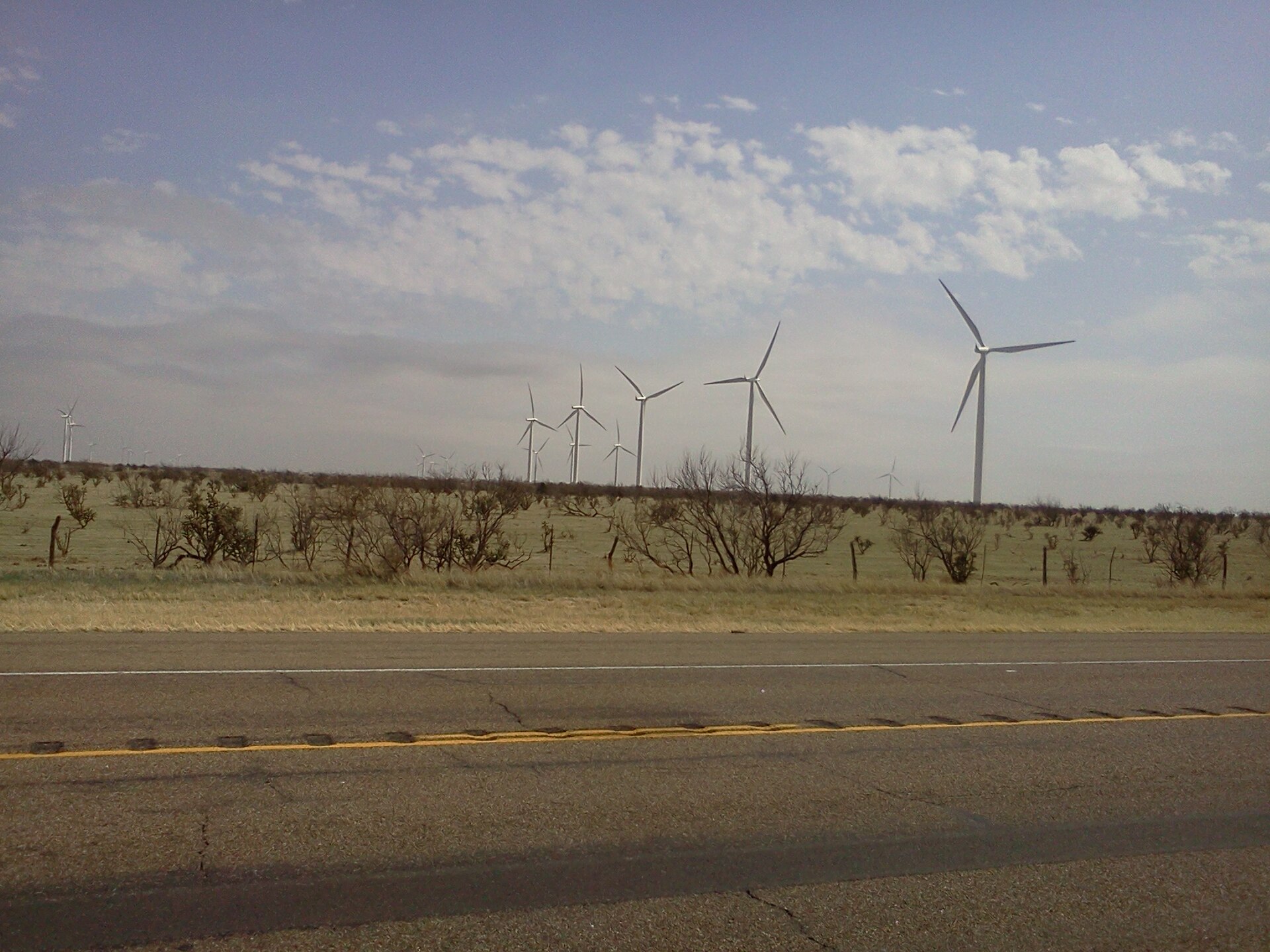
Solar installation, wind turbine technician roles, and battery manufacturing represent the fastest-growing energy occupations nationally. Wind turbine service technicians rank among the Bureau of Labor Statistics' highest projected growth rates, with median wages exceeding $56,000 and strong demand in Texas, Iowa, Oklahoma, and coastal offshore development zones.
Utility-scale solar projects employ construction crews during build phases and smaller permanent operations teams afterward. Community colleges in Arizona, Nevada, and the Carolinas have launched solar technician programs, though instructor availability and equipment costs limit expansion speed.
Many skills transfer between fossil and renewable sectors — electricians, heavy equipment operators, and project managers move between pipeline construction and wind farm development with modest retraining.
Grid modernization and utilities
Aging transmission infrastructure requires massive investment in high-voltage lines, substations, and smart grid technology. Utility lineworkers — among the most physically demanding and well-compensated trade roles — face retirement waves that outpace apprenticeship completions. Storm response demands create overtime spikes that both attract and burn out workers.
Nuclear power employs roughly 60,000 workers across plant operations, fuel cycle facilities, and decommissioning projects. New small modular reactor development may stabilize employment in communities hosting retiring coal plants, though timelines remain uncertain.
Just transition debates
Coal community transitions dominate policy discourse in Appalachia and the Powder River Basin. Federal funding supports economic diversification, workforce retraining, and infrastructure investment, but replacement employment rarely matches coal wage levels one-for-one. Honest transition planning acknowledges that geographic mobility and sector change impose real costs on workers and families.
Analyst outlook
Net energy employment will likely grow through 2030 driven by construction and renewable operations, even as fossil extraction employment remains cyclical. Workers and communities benefit from cross-training in electrical trades, project management, and safety certifications that transfer across subsectors. Regional specialization — Houston for petrochemical expertise, Midwest for wind, Southwest for solar — will continue defining where energy talent concentrates.