Cats · January 18, 2026
A window is not, by itself, a safe place.
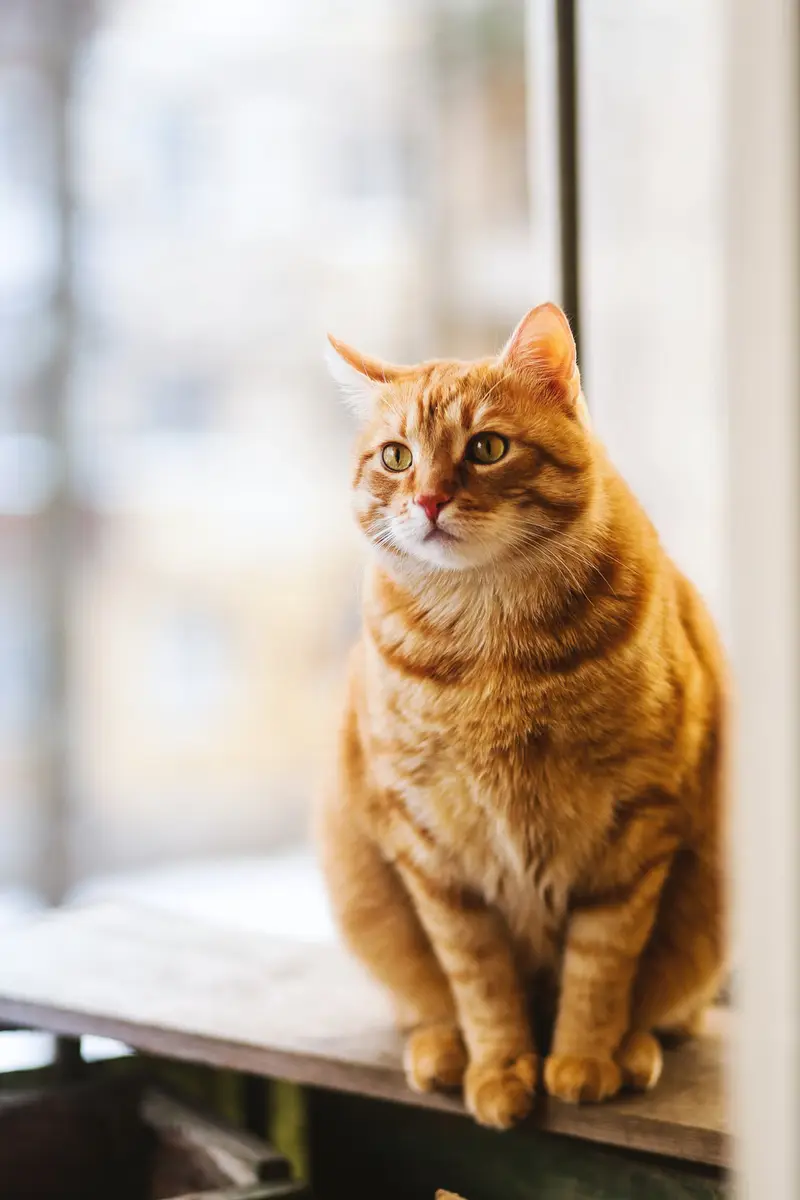
Cats use height to retreat. The same height, at a window that opens, becomes a risk. The piece explains the litter box, scratching posts, and plants to keep away, including lilies.
petlostboost is an independent information journal. It is not a veterinary clinic, it does not search for lost pets, it does not sell products, and it does not replace advice from a veterinarian. Full notice
Household notebook · updated
petlostboost collects practical observations about dogs, cats, and small pets: the shape of the day, food, identification, and how you write down a change. The texts stay informational. We do not diagnose, we do not search for lost pets, and we do not sell products.
The journal is not an encyclopedia. Each page answers a household question: what a day looks like, what to read on a label, what to leave ready if the animal gets out, what to say at the clinic.
Water, a trip outside, a meal, a place to rest, and the hours spent alone. No mileage that fits every dog.
Litter box, high places, windows, and plants. A sudden change in habits is worth writing down, not interpreting from the internet.
A dog, a cat, a rabbit, and a guinea pig do not share the same bowl. The page shows what to look for on the package and what to keep out of the kitchen bowl.
What a tag can do, what a chip does not do, and why this site does not search for pets or keep a registry.
What information you take with you, how the trip works, and which questions help you leave with clear instructions.
Space, hay, vitamin C, and air. Three species, three routines, and no single accessory list.
What you can describe on the phone to a clinic. An observation is not a diagnosis, and some signs should not wait until the next day.
Read this first
A more expensive bowl, a new leash, or a toy says nothing about the animal's day. The most useful notes are simple: drank, ate, went outside, rested in a quiet place, wore a tag with a phone number that someone actually answers.
For a dog, the page on the daily routine separates exercise from meals and from hours spent alone. For a cat, the piece on the apartment starts with the litter box and the windows, not with a play schedule claimed to fit everyone. You write down what you see. The veterinarian who sees the animal does the interpreting.
Cats · January 18, 2026
Cats use height to retreat. The same height, at a window that opens, becomes a risk. The piece explains the litter box, scratching posts, and plants to keep away, including lilies.
Food · March 4, 2026
Dog food is not a menu for a cat. Hay is not an extra for a rabbit. It is the base. The page walks through the label, the switch from one food to another, and kitchen foods that do not go in the bowl.
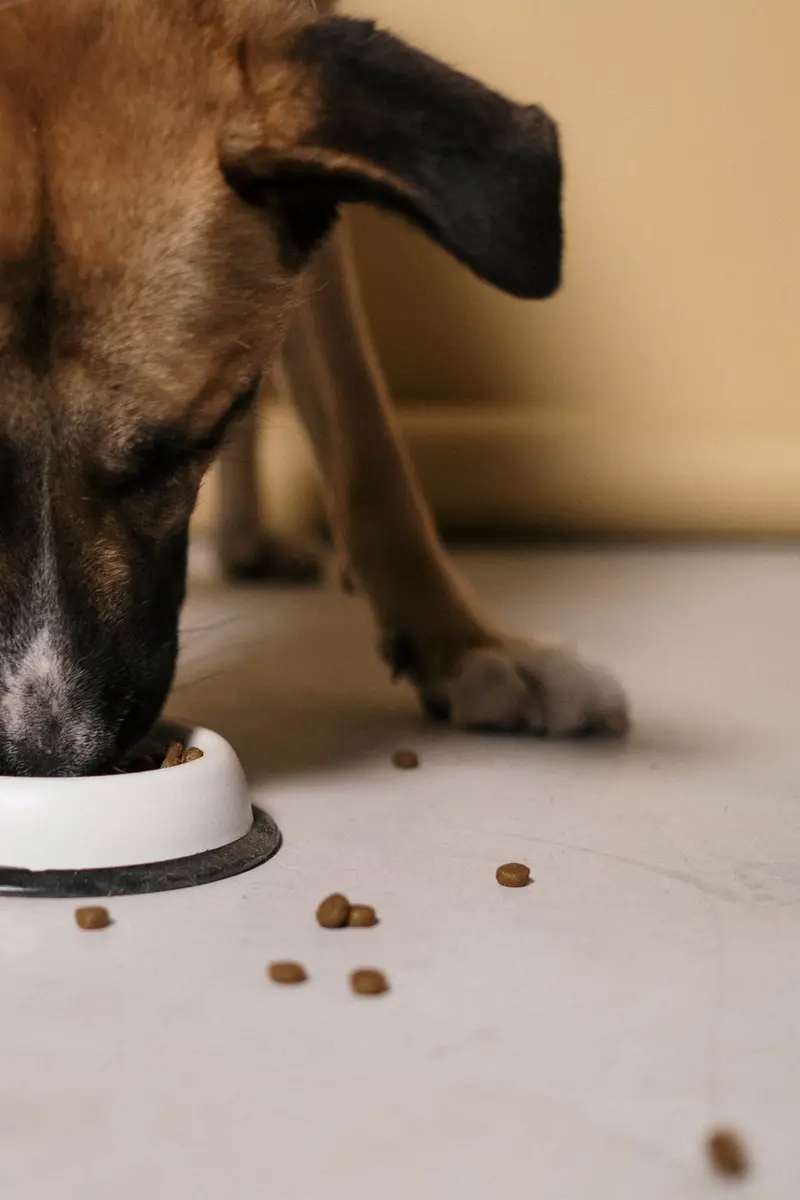
A clean bowl, changed daily. A sudden increase in thirst, or a stop in drinking that lasts through several meals, is something to tell a veterinarian. It is not something to correct from home.
The same window of time helps you see when appetite changes. A switch to a new food takes several days, not a single meal. Details are in the food guide.
The tag on the collar needs a number that someone answers. A microchip is not a tracker. How they differ is written under identification.
Before the clinic: when it started, what was eaten, what else changed. The page about the visit turns an observation into a list you can read aloud.
petlostboost is published by the operator at 69-35 Grand Ave, Maspeth, NY 11378, United States. The site language is English. Local rules on identification, vaccines, or keeping certain species should be checked with a veterinarian, because they differ and they can change.
One day, without a universal schedule
The journal does not give you a timetable to copy. It gives you markers so you can see when today breaks from what the animal could do yesterday. The difference matters more than a number of minutes.
A dog needs the door before play, and a bowl that was washed, not only refilled. A cat needs a scooped litter box and quiet beside the bowl, not a household that starts the vacuum next to the food. A rabbit and a guinea pig should still have last night's hay, and water that flows. If the morning starts with a refusal to eat, write down the time. One skipped meal can be watched. Several skipped meals are a call.
An adult dog is not, automatically, an animal that stays alone for ten hours. A puppy cannot. A cat sleeps a lot, but still needs water, a litter box, and a place the bathroom door does not shut them into. A rabbit that does not eat during the hours you are gone is not “waiting for evening”: a rabbit that stops eating is a reason to see a clinic the same day. Leave the house boring in the useful sense: no cables, no medicine on the table, no window that opens in a draft.
For a dog, a short outing and a meal in the same window of time make the next day easier to read. For a cat, a few minutes of wand play, then a stop, shifts some of the night energy without promising the cat will sleep when you do. For small pets, evening is when you check the water bottle, the hay, and whether they ate. Three lines in the phone — ate, drank, something new — are worth more than an object bought at the end of the day.
Do not read the journal from start to finish. Pick the thread that looks like your week. The pages connect, but each one can be read on its own.
01
Each guide has one purpose: the routine, the label, the visit, a disappearance. If you jump from chapter to chapter to confirm an idea you already had, stop and call a clinic. The text is not written to prove you right.
02
The time, the water, the food, the stool, the urine, the walk. No interpretation. “Has not eaten since last night” is useful. “I think the stomach is sensitive” is not information a veterinarian can use.
03
petlostboost stops before a diagnosis, a dose, and a promise. The address in Maspeth belongs to the operator. Animals are not brought there. Emergencies go to a clinic in the area where you are.