petlostboost

petlostboost is an independent information journal. It is not a veterinary clinic, it does not search for lost pets, it does not sell products, and it does not replace advice from a veterinarian. Full notice

Identification · · updated

Collar, microchip, and the steps after a disappearance.

petlostboost does not search for pets, does not publish notices, and does not keep a registry. If the animal is no longer in the house, the steps below are yours, the neighbors', the veterinarian's, and the local authority's. Nothing on this page promises they will be found.

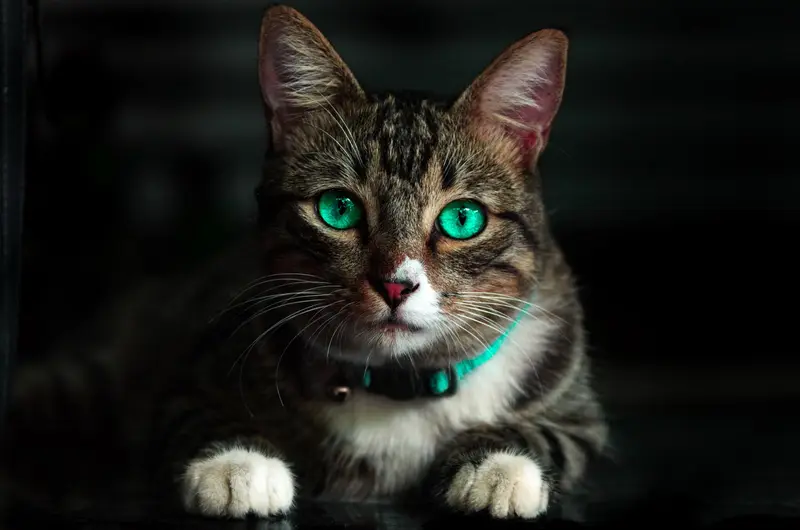
A tabby cat lying down, with a turquoise collar and a bell
A collar can be seen. A chip cannot be seen and does not show a position on a map.

The tag says a number that someone answers

The collar carries a current phone number, readable, not a cute name and nothing else. If you change the number, you change the tag the same day. The collar is checked: two fingers under it, and not so loose that it slips over the head at the first fright.

For cats, a collar that releases when it catches is often used. A fixed one can snag on a fence or a branch. A bell does not replace the tag. For dogs, the walking collar or harness is not left on unsupervised if the animal stays alone and can get caught.

A recent photograph, from the front and from the side, plus a visible mark — a patch, a scar, a broken tooth — is kept on the phone before you need it. After a haircut, the old photo no longer helps.

A microchip is not a tracker

The chip is a number read with a scanner, usually at a clinic, a shelter, or the police, when the animal is already there. It does not send a location to a phone. If the contact details in the registry are old, the chip exists, but it does not find you.

Local rules on identifying and registering dogs are set where you live. Who scans a chip, where you update a phone number, and which papers are required should be confirmed with a veterinarian, because procedures can change. Ask the same question for cats: what applies in your locality. This journal does not issue obligations and does not keep the database.

A GPS device on the collar, if you choose one, runs out of battery, is lost with the collar, and does not replace the chip. We do not test and we do not sell such objects.
If they are no longer in the house

  1. 01

    Search close by, without a chase

    Frightened cats often stay within a few meters: under a car, in a basement, behind a bush. Shouting and running push them farther. At night, a flashlight catches the reflection of the eyes. For a dog, ask the neighbors immediately and check open yards, without entering someone else's property.

  2. 02

    Tell people who can open a door

    The building manager, the neighbors on the landing, the clinic where you are registered, the shelter in the area. Leave them the photo and the phone number. Do not ask this site to publish the notice: we do not.

  3. 03

    Do not leave food on a busy street

    A blanket that smells of home, placed at your door, is a method used for cats. Food left on the roadway attracts other animals too and can push yours toward cars. Ask the local shelter what method they use in that area.

  4. 04

    When they return, quiet and a clinical look

    Water, a quiet place, check for wounds, limping, whether they eat. After a long absence, or if you see blood, difficult breathing, or pain, go to a veterinarian. Do not organize a family reunion around an exhausted animal.

  5. 05

    If you find someone else's animal

    Do not keep them as your own. A clinic can read the chip. Tell the local authority or the shelter. Offer water if they are in a closed, safe space until they are collected. This is not a service we operate.

For transport to the clinic, if the animal came back injured: how to prepare the trip. For the limit of the information: the information notice.

Before you need it: a small file on the phone

What you keep current

Two recent photographs, from the front and from the side. A visible mark: a patch, a scar, a tooth. The number on the tag, which actually rings. The chip number, if there is one, and where the contact details are registered. The clinic's name. If you change your phone, you change the tag and the registry in the same week. A chip with the old number is an object, not a link to you.

What you do not put on a notice

Do not publish the exact address and the hours when the house is empty. Do not offer a reward in a way that invites anyone to “find” the animal. Do not send the notice to petlostboost: we do not publish it and we do not search. Tell the neighbors, the clinic, and the local shelter. If someone calls to say they found them, ask for a photo taken now, not your photograph sent back. The meeting happens in a public place or at the clinic, where the chip can be read.

On a trip, in the car or while visiting, the collar with the phone stays on the animal, and the carrier stays closed for a cat. A hotel door or a stairwell door is closed before you open the carrier. A loss on vacation follows the same steps, plus the clinic in the place where you are, not only the one at home.

Top